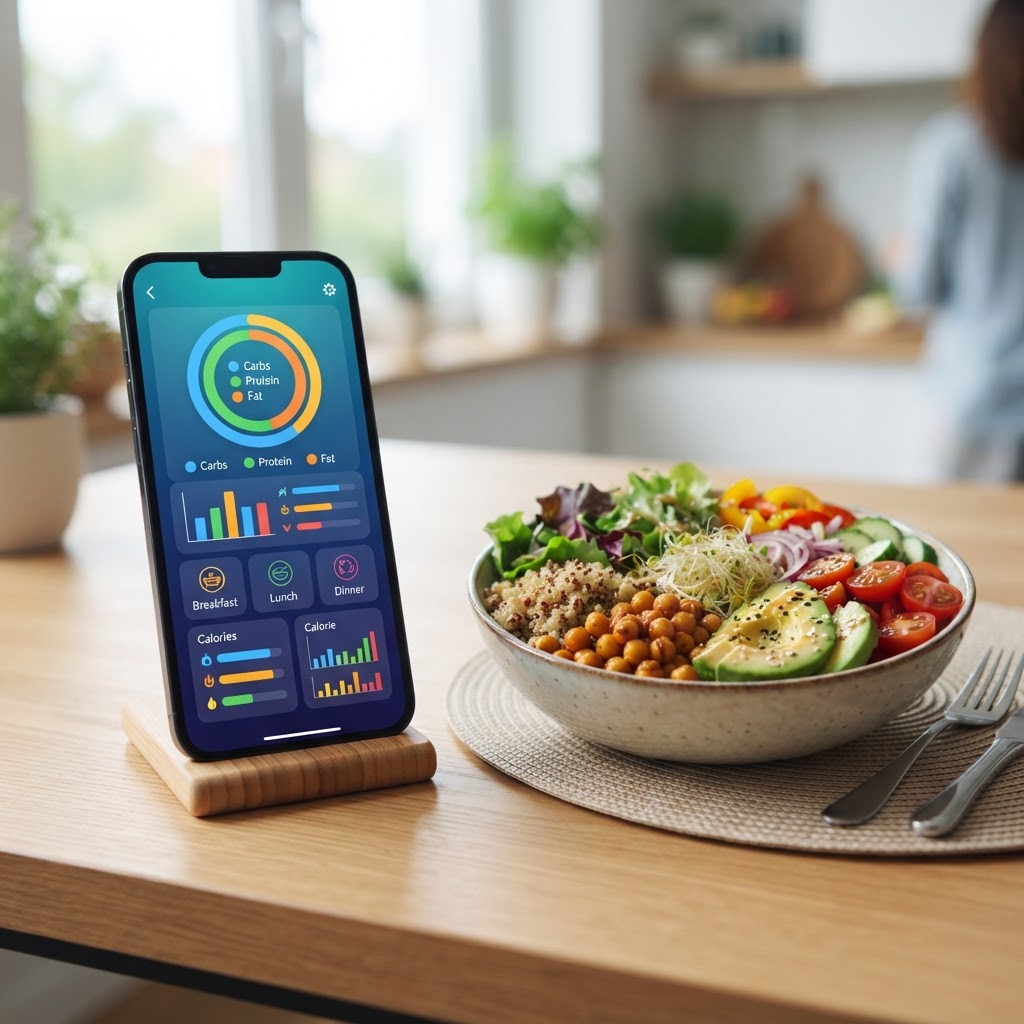
- AI nutrition trackers have shifted from simple calorie counters to comprehensive metabolic health management systems.
- Computer vision and image recognition are replacing manual logging, significantly reducing user friction and estimation errors.
- Modern AI meal planners utilize machine learning to adapt macro targets based on daily activity and weight trends.
- Integration with wearable devices now allows for near-real-time adjustments to nutritional requirements based on metabolic output.
- Selecting the right tool depends on whether you prioritize automated logging convenience or granular, data-driven nutrient precision.
The landscape of dietary management has undergone a profound transformation as we move deeper into 2026. Gone are the days of tedious manual data entry and guesswork; the integration of machine learning and computer vision has turned the humble calorie counter into a sophisticated health engine. As users demand more precision in their wellness journey, the emergence of the AI nutrition tracker has set a new standard for how we perceive our relationship with caloric intake and nutrient density. Whether you are an endurance athlete optimizing for performance or a casual dieter seeking sustainable habits, personalized diet AI now bridges the gap between biological data and daily lifestyle choices. In this guide, the aismarttoolsreview Editorial Team analyzes the top-tier technology currently reshaping the industry, helping you navigate the most effective tools to achieve your health goals.
Why AI is Revolutionizing Personalized Nutrition
The revolution in nutritional tracking is fundamentally rooted in the shift from static data to dynamic, responsive ecosystems. Traditionally, nutrition tracking relied on static databases—users would input a banana or a slice of bread, and the app would return a fixed nutritional value. While useful, this approach failed to account for individual metabolic variability, activity fluctuations, and the nuance of preparation methods. Modern AI has disrupted this model by introducing predictive modeling and adaptive algorithms that evolve alongside the user.
One of the primary drivers of this revolution is the ability of an AI meal planner to synthesize massive datasets into actionable advice. These systems ingest data from wearable devices, such as heart rate variability (HRV) monitors and glucose sensors, to assess how an individual’s body is actually processing consumed nutrients. By correlating the intake of specific macronutrients with energy levels and physical performance markers, these tools provide a level of personalized diet AI guidance that was previously restricted to elite athletics or clinical nutritionists. This creates a feedback loop: if a user logs a high-carb meal and their wearable data shows a suboptimal recovery rate the following morning, the AI can suggest adjustments to future macro distributions.
Furthermore, AI has effectively neutralized the “burden of entry.” Historically, the highest hurdle for nutrition tracking was the effort required to record every morsel consumed. This friction often led to attrition within the first month of use. Today, the rise of the AI food scanner and voice-recognition logging allows users to record complex meals in seconds. Advanced natural language processing (NLP) allows users to say, “I had a bowl of Greek yogurt with a tablespoon of honey and a handful of walnuts,” and the system accurately decomposes these items into their constituent macro and micro-nutrients. This speed and convenience mean that users capture data more consistently, which creates a more robust, long-term dataset for the AI to analyze.
From a behavioral psychology perspective, AI is also changing how we perceive “success” in dieting. Rather than focusing on a strict, binary approach to calories—where exceeding a limit is considered a “failure”—AI models are increasingly utilizing trend analysis. They provide a “moving average” view of progress, which accounts for natural fluctuations in water weight, hormonal shifts, and digestive patterns. This creates a much healthier psychological environment, helping users stick to their plans long-term. As we look at the current market, it is clear that the best nutrition apps 2026 are no longer just calculators; they are intelligent companions that learn your preferences, anticipate your nutritional gaps, and adjust your targets automatically to ensure that you are always moving toward your goal, whether it is fat loss, muscle gain, or metabolic maintenance.
How AI-Powered Food Scanning Works for Accuracy
Accuracy in nutrition tracking has long been the “holy grail” of the industry. The primary challenge is that food is rarely standardized; a restaurant-made portion of lasagna differs significantly in caloric density from a home-cooked version, and even home-cooked recipes vary by fat content and ingredient sourcing. To tackle this, developers are deploying sophisticated computer vision and image recognition models that rely on deep learning architectures.
When a user points their smartphone camera at a plate, the AI initiates a multi-stage process. First, it performs object segmentation to identify the individual components within the frame. It distinguishes between the protein, the starch, and the vegetables. It then uses volumetric analysis—often assisted by depth-sensing cameras—to estimate the size and weight of each portion. This is where the magic of the AI food scanner truly shines; by referencing a database of hundreds of thousands of standard food images, the model can categorize, for example, “grilled chicken breast” versus “fried chicken,” identifying the difference in breading or oil content.
The accuracy of these scans is continually improving through a process called “reinforcement learning from human feedback.” As users confirm or adjust the AI’s estimation, the model learns the nuances of the user’s specific household plates, common bowl sizes, and specific cooking styles. Over time, the scanner becomes more refined, recognizing that a “cup” of pasta in your kitchen typically weighs a specific amount based on how you plate your meals. However, it is important to note that even the most advanced AI currently encounters challenges with complex dishes. Mixtures, such as casseroles, soups, or intricate sauces, require the AI to estimate density and ingredient ratios based on visual appearance, which can introduce a small margin of error.
To mitigate these issues, leading apps often pair visual scanning with smart-reference databases. If the AI detects a high level of uncertainty, it may prompt the user for clarification—”Is that heavy cream in the sauce?”—to refine its output. This hybrid model, combining machine-driven visual estimation with human-in-the-loop validation, represents the current gold standard for convenience-meets-accuracy. As sensor technology in smartphones improves, particularly with the inclusion of hyperspectral imaging in future hardware, we expect the ability of these tools to identify micronutrient content—and potentially even macronutrient breakdown by density—to become significantly more reliable. For the average user, this technology removes the need for a digital food scale, making accurate tracking accessible to those who otherwise would not have the time to measure their food to the gram.
Key Features to Look for in an AI Nutrition Tracker
Selecting the right AI nutrition tracker requires an understanding of your specific needs, as different platforms prioritize different pillars of health. When evaluating the current crop of tools, there are several non-negotiable features that define a modern, high-quality application. The first is algorithmic transparency and flexibility. You should look for an app that allows you to view the “why” behind its suggestions. If the AI suggests a calorie deficit adjustment, it should clearly state the metric driving that change—for instance, “average weight loss over the past seven days was below target.”
Secondly, integration capabilities are paramount. A truly “smart” app cannot exist in a vacuum. It should pull data from your preferred wearable (Apple Health, Google Fit, Garmin, or Oura) to provide a complete metabolic picture. The integration should go beyond simple step counts; it should track active energy expenditure and sleep quality, as both are critical indicators of how your body will handle nutrient load the following day. Third, search for an AI meal planner feature that generates shopping lists based on your macro goals. This is a crucial step in removing the friction between planning and execution. The best tools don’t just tell you what to hit; they tell you exactly how to get there via your local grocery store inventory.
Finally, community and coaching features are shifting from generic forums to AI-coaching bots. These bots can answer specific, contextual questions such as, “How does my macro breakdown look for this specific meal?” or “Can you suggest a snack that fits my remaining 20 grams of protein for today?” This conversational interface effectively replicates having a human nutritionist on call. Below is a comparison table outlining the key features you should consider when selecting your tool.
| Feature | Why It Matters | Best For |
|---|---|---|
| Adaptive Macro Targets | Adjusts calories based on real-time weight/activity trends. | Performance Athletes |
| Computer Vision Scanning | Reduces manual entry time significantly. | Casual Users/Busy Professionals |
| Wearable Integration | Synchronizes metabolic burn with caloric intake. | Tech-Savvy Health Enthusiasts |
| Conversational AI Bot | Provides instant, context-aware nutrition advice. | Education & Habit Building |
MacroFactor vs MyFitnessPal: AI-Driven Macro Analysis
When discussing the best nutrition apps 2026, the comparison often centers on the difference between established legacy platforms and newer, AI-first alternatives. MyFitnessPal, while a titan of the industry, has historically relied on a crowdsourced database—a double-edged sword. While it offers a massive library of foods, the quality control of those entries varies wildly. Recent updates have integrated AI to help clean up this data and improve logging efficiency, yet the platform remains largely user-driven, requiring the individual to perform the heavy lifting of macro management and adjustment.
In contrast, MacroFactor is often categorized as a “coach in your pocket” due to its heavy reliance on a proprietary AI nutrition tracker algorithm. Unlike apps that ask you to set a fixed calorie goal and stick to it regardless of results, MacroFactor treats your body as a dynamic experiment. It looks at the relationship between your tracked caloric intake and your scale weight over time to calculate your actual total daily energy expenditure (TDEE). If you aren’t losing weight at the rate you expect, the algorithm doesn’t blame your willpower; it adjusts your macro targets upward or downward based on your metabolic data. This is a profound shift from the static targets found in more traditional apps.
MyFitnessPal provides excellent utility for those who need to track specific micro-nutrients or rely on a massive, global database of branded food items. Its social features are also unparalleled if community support is a major motivator for your fitness journey. However, for users seeking a “set it and forget it” intelligent system, MacroFactor’s approach is superior. It removes the emotional weight of “failing” to hit a target. If you overeat one day, the system absorbs that data, recognizes it as a data point in your long-term trend, and provides a neutral adjustment. This takes the psychology of guilt out of the equation.
Choosing between these two depends on your primary goal. If you are an experienced user who wants to maintain a high level of manual control over your food entries and requires the widest possible database of specific grocery brands, the updated macro tracking app features within MyFitnessPal will serve you well. If you are looking for an intelligent system that actively manages your diet, adjusts to your metabolism, and provides objective, data-driven modifications without requiring you to be an expert in nutrition, the AI-centric design of MacroFactor offers a more sophisticated experience. Both represent the current spectrum of the industry, from user-led tracking to algorithm-led guidance.
Cronometer vs Lifesum: Intelligent Nutrient Insights
While macro tracking is the baseline for many, true healthy eating AI often focuses on the “micro”—the vitamins, minerals, and amino acid profiles that fuel cellular function and long-term vitality. In this category, Cronometer and Lifesum stand out, though they approach the user experience from entirely different philosophical perspectives. Cronometer has long been the gold standard for accuracy and granular data. Its database is heavily curated, pulling almost exclusively from clinical, government, and lab-tested sources. This means that when you track a specific food item, the data is arguably the most reliable in the industry.
Cronometer’s AI integration focuses on identifying nutritional “gaps.” It analyzes your daily logs and provides intelligent alerts if you are consistently falling short on specific minerals like magnesium, potassium, or B-vitamins. It effectively translates complex biochemical needs into clear, actionable advice. For the user who is recovering from an injury, managing a specific health condition, or optimizing for long-term longevity, this level of precision is invaluable. It is not just about the numbers; it is about the quality of the fuel being put into the body.
Lifesum, on the other hand, utilizes AI to create a lifestyle-focused, intuitive experience. Its AI meal planner is designed to reduce the mental load of dieting. Rather than forcing the user to deep-dive into every micro-nutrient, Lifesum uses AI to suggest meal plans that are nutritionally balanced, easy to prepare, and aligned with popular dietary trends (like intermittent fasting, keto, or plant-based eating). It uses AI to simplify the process, focusing on “scoring” your meals to provide quick feedback on whether you are eating in a way that supports your goals.
The distinction between the two is clear: Cronometer is the choice for the “data scientist” of their own health, while Lifesum is the choice for the “habit builder” who wants to improve their diet without becoming an amateur nutritionist. Cronometer’s AI adds value by highlighting biological nuances, whereas Lifesum’s AI adds value by creating a frictionless path to healthier eating patterns. Both represent how artificial intelligence is being used to democratize high-level nutritional insights. Whether you prefer the deep-dive accuracy of Cronometer’s lab-grade database or the accessible, plan-focused simplicity of Lifesum, the intelligent integration of these tools into your daily routine is likely to yield more sustainable results than legacy tracking methods.
Using AI for Personalized Meal Planning and Grocery Lists
The transition from reactive tracking—where you log what you have already eaten—to proactive planning represents the most significant leap in nutrition technology for 2026. AI meal planners no longer rely on static recipe databases; they utilize generative models to curate menus based on your specific biochemical feedback, caloric thresholds, and pantry availability. By syncing with your macro tracking app, these tools analyze the historical data of your nutrient intake to suggest meals that bridge the gaps in your diet.
For instance, if your AI nutrition tracker detects a recurring deficiency in magnesium or fiber over a 14-day period, the meal planner will automatically prioritize recipes rich in leafy greens, nuts, or legumes for the coming week. This predictive capability turns the app from a simple ledger into a virtual nutritionist. Furthermore, these platforms often integrate with grocery delivery services. Once a meal plan is generated, the AI scans your local inventory data to create a synchronized grocery list, effectively automating the entire “plan-shop-eat” cycle.
The efficiency gained here is substantial. Instead of spending hours scouring recipe sites, users can input constraints—such as “high protein, dairy-free, 30-minute prep time”—and receive a fully balanced meal plan. Many advanced tools now allow you to take a photo of the contents of your refrigerator, utilizing computer vision to suggest recipes that utilize existing ingredients, which serves the dual purpose of reducing food waste while keeping you within your macro targets.
| AI Meal Planning Tool | Core Technology | Primary Benefit | Best For |
|---|---|---|---|
| NutriGenie AI | Predictive Nutrient Modeling | Dynamic macro adjustments | Serious athletes |
| KitchenSavvy Pro | Computer Vision Pantry Scan | Reducing food waste | Busy households |
| MacroChef 360 | Generative Recipe Creation | Personalized palate matching | Meal prep enthusiasts |
| DietFlow Sync | Inventory-to-Delivery API | Automated shopping lists | Time-conscious professionals |
Integrating AI Nutrition Trackers with Wearable Tech
The true power of modern personalized diet AI is unlocked when your nutrition data is contextualized by real-time physiological metrics. By connecting your nutrition tracker to wearable devices such as smartwatches, continuous glucose monitors (CGMs), or metabolic rings, you create a closed-loop system of health monitoring. This integration allows the AI to understand how specific foods directly impact your energy levels, sleep quality, and recovery time.
When an AI nutrition tracker receives data from a wearable, it can correlate a blood glucose spike after a specific meal with your heart rate variability (HRV) or sleep latency. If your HRV remains low following high-carbohydrate dinners, the AI may suggest shifting your carbohydrate intake to earlier in the day or adjusting your fiber-to-carb ratio. This is a game-changer for individuals managing metabolic health, as it moves beyond simple calorie counting and into the realm of biological optimization.
Furthermore, wearable integration facilitates dynamic calorie adjustment. Most traditional apps rely on fixed daily targets. However, AI-powered systems can recognize when you have had a sedentary day versus an intensive training session and automatically recalibrate your calorie and macro targets. This ensures that you are refueling appropriately for your activity levels, preventing both undereating on high-output days and overeating during rest periods. This level of granularity is essential for long-term body composition management and sustainable weight loss.
How to Balance Calorie Counting with Mindful Eating
While the precision of macro tracking apps is technologically impressive, there is a legitimate concern regarding the psychological toll of relentless quantification. Expert consensus suggests that while AI tools are excellent for education and pattern recognition, they should not replace intuitive hunger cues. The challenge for 2026 users is to use these tools as “training wheels” rather than lifelong crutches.
Mindful eating—the practice of paying attention to the physical sensations of hunger and satiety—can sometimes be suppressed by the rigid data points provided by an AI food scanner. To balance these, we recommend the “80/20 Rule of Data.” Use your AI tool to track and plan 80% of your intake to ensure baseline nutrient density and caloric awareness, but allow 20% of your meals to be untracked or focused entirely on sensory experience and hunger cues. This prevents the development of disordered patterns while still maintaining a baseline of healthy eating.
Many developers are now integrating “mindfulness prompts” into their nutrition apps. These features ask users to rate their hunger levels before logging a meal or to log their “energy mood” after eating. By correlating these subjective notes with objective macro data, the AI can help you identify which foods not only fit your aesthetic goals but also make you feel physically vibrant and mentally sharp. The goal of the best nutrition apps in 2026 is to help you eventually internalize this data so that, over time, you rely less on the app and more on your own developed nutritional intuition.
Data Privacy: Keeping Your Health Information Secure
Entrusting an application with your biological data, daily habits, and even photos of your meals requires a high level of digital security awareness. As these AI tools become more integrated, the sensitivity of the data they process grows significantly. When choosing an AI nutrition tracker, users must evaluate the platform’s data sovereignty and privacy practices.
Look for providers that utilize end-to-end encryption for your health logs and ensure that your data is not being sold to third-party advertisers or insurance aggregators without your explicit, granular consent. Reputable AI health companies should be transparent about their “data retention policy,” meaning they should offer a clear way for you to export your data and, more importantly, a way to permanently delete your entire history from their servers if you choose to stop using the service.
Additionally, be wary of AI tools that request unnecessary permissions on your smartphone, such as access to your contacts, precise GPS location, or full file system access. A high-quality nutrition tracker needs access to your camera for scanning and your health/fitness APIs for integration, but little else. Always enable two-factor authentication (2FA) for any health-related accounts and prefer apps that offer a local-first storage option, where your data is stored primarily on your device rather than in a cloud database, whenever possible.
Frequently Asked Questions
Are AI nutrition trackers as accurate as working with a human nutritionist?
AI trackers excel at pattern recognition and immediate data processing, but they lack the nuanced, empathetic understanding of a human nutritionist. While an AI can provide precise macro breakdowns and meal suggestions based on thousands of data points, it cannot account for life stress, emotional history, or complex medical conditions in the way a certified professional can. Ideally, use AI tools for daily consistency and use human professionals for high-level strategy and accountability.
Do AI food scanners work for home-cooked meals with multiple ingredients?
Modern AI food scanners have significantly improved in identifying complex dishes. By utilizing sophisticated image recognition, they can often identify individual components of a meal, such as a salad or a stir-fry, and estimate portion sizes. However, for the highest level of accuracy—especially in weight-sensitive phases—entering ingredients individually or using a scale remains the gold standard, as AI estimates can still fluctuate based on photo angles and lighting.
Can these apps really help me if I have specific dietary restrictions like Celiac or Veganism?
Yes, most 2026 AI nutrition trackers feature highly customizable “exclusion profiles.” You can set strict filters for gluten, allergens, or dietary preferences like vegan or keto. The AI then filters its generative meal planning suggestions to ensure that every recipe proposed meets your specific requirements, which is a major advantage over traditional apps that often require manual searching through static databases.
What happens to my data if I decide to switch apps?
The ease of data portability varies by provider. The best AI nutrition apps allow you to export your logs, weight history, and macro data in a standard format like CSV or JSON. Before committing to a premium subscription, check the app’s settings menu or help documentation to verify if an “Export Data” feature exists, ensuring your historical data remains yours.
Are AI meal planners worth the cost of a subscription?
For individuals who struggle with decision fatigue, time management, or reaching a specific physique goal, the cost is often justified by the time saved on meal prep and the reduction in food waste. Many users find that the savings on impulsive takeout orders and better grocery management effectively offset the monthly subscription fee, making the AI tools a net-positive financial investment.
Will using an AI tracker lead to obsessive eating habits?
Like any tool, the impact depends on how you wield it. Using an AI tracker can lead to healthy habit formation if focused on nutritional balance and energy levels. However, if used to pursue extreme restriction or to obsess over every single calorie, it can exacerbate unhealthy tendencies. If you find yourself feeling anxious when away from the app, it is a sign to step back and focus on the mindfulness practices mentioned earlier.
Conclusion
The landscape of nutrition tracking has been irrevocably altered by artificial intelligence. By shifting the focus from static calorie counting to dynamic, AI-driven macro management and personalized meal planning, technology has empowered users to understand their bodies at a level previously reserved for professional athletes. Whether you are aiming for weight loss, muscle gain, or simply a more sustainable relationship with your food, the tools available in 2026 offer an unprecedented ability to turn data into tangible health results.
As you embark on this journey, remember that the most effective AI tool is the one that fits seamlessly into your lifestyle rather than the one that dictates it. Prioritize your privacy, stay consistent with your inputs, and always remain mindful of the signals your body is sending you. The goal is to build a healthier version of yourself, and these tools are the bridge that helps you get there. Start by selecting one of the top-rated apps we have discussed, set your baseline, and begin optimizing your intake today.
By aismarttoolsreview Editorial Team
Leave a Reply